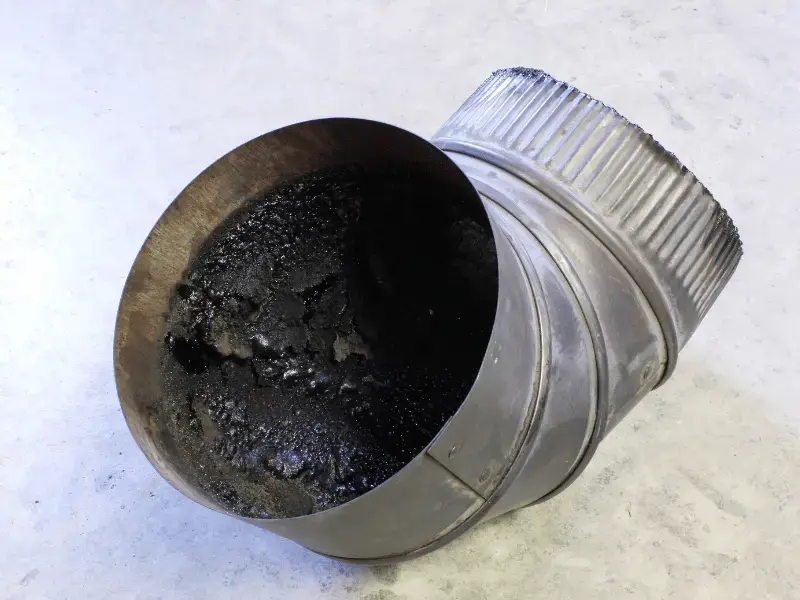
Quick Answer: Sediment in pipes builds up when tiny particles and dissolved minerals in the water supply settle, stick, and harden inside your plumbing over time. The most common sources are hard water, aging pipe materials, municipal water disturbances, well water, and debris entering through the incoming water supply. As these materials collect, they narrow the internal diameter of the pipe, reduce flow, lower pressure, and strain fixtures and appliances. The buildup often gets worse in older homes with corroded pipes, older water heaters, or lines that already have rough interior surfaces. Preventing the problem early is far easier than waiting until low pressure, staining, or leaks show up.
What Sediment in Pipes Really Means
Sediment in pipes means mineral particles, grit, rust, and other suspended matter are collecting inside the plumbing instead of passing through cleanly. In most homes, the buildup starts quietly and becomes obvious only after flow, pressure, or water quality begins to change.
Inside household water pipes, the process usually starts with fine material that looks harmless at first. That can include sand, silt, loose debris, or dissolved minerals like calcium, magnesium, and iron. In homes around Indianapolis, Carmel, Fishers, Greenwood, and Broad Ripple, this problem often shows up in older plumbing where interior surfaces are already rough or partially worn.
Over time, that material settles on the pipe wall, especially in low-flow sections, elbows, dead ends, and appliance supply lines. The result is sediment buildup, scaling, and restriction inside the plumbing system. If the home also has hard water, the deposits become more stubborn and more likely to harden into mineral deposits rather than rinsing away.
Where Sediment Comes From in Household Water Systems
Sediment usually comes from the source water, the public distribution system, aging pipe materials, or interior plumbing components that are deteriorating. In other words, the material can arrive from outside the house or be created by the house itself.
The most common source is the incoming water supply. Even treated municipal water can carry fine particles after water main breaks, hydrant flushing, or pressure changes in the distribution network. Disturbances in the city system can shake loose old deposits and send them downstream into residential plumbing.
Homes on well water face a different version of the same issue. Groundwater can carry fine grit, soil runoff residue, naturally occurring minerals, and suspended sediment that enters the home unless filtration catches it first. In both city and well-fed systems, the result can be sediment in water lines that gradually worsens if the material is not intercepted or flushed out.
One overlooked source is aging plumbing hardware. If parts inside the system are wearing down, the material in the water may include corrosion particulate, degrading seals, or loose fragments from older piping.
Why Older Pipes Collect Sediment Faster
Older pipes collect sediment faster because their inner surfaces are rougher, narrower, and more chemically reactive than newer piping. Once the wall becomes uneven, particles stick more easily and each new layer makes the next one easier to form.
In older homes, old pipes made from galvanized steel or cast iron pipes are especially vulnerable. Galvanized lines rely on a zinc coating to slow deterioration, but that protective layer can wear down with age. When it does, corrosion becomes more active, and the pipe starts generating rust flakes and internal roughness that trap additional particles.
That is one reason sediment in pipes often becomes a repeating issue in older Indianapolis neighborhoods. Even when the water coming in is only moderately mineral-rich, the aging material inside the house gives those particles a place to hold. As the buildup grows, it contributes to pipe damage, chronic restriction, and eventually leaks or even pipe bursts in severe cases.
If you are seeing repeated grit at aerators or cloudy water after utility work, a best Water Filtration System specialist can often help identify whether the problem is source water, old interior lines, or both.
How Hard Water Turns Small Particles Into Heavy Buildup
Hard water makes buildup worse because it carries dissolved minerals that can settle and harden when water is heated, slowed, or left sitting in the pipe. The most important minerals in this process are calcium and magnesium.
These minerals do not always cause immediate trouble, which is why many homeowners ignore them at first. But as water moves through the home daily, those dissolved solids begin coating the inside of the line. Over time they form mineral deposits that reduce the effective internal diameter of the pipe. That narrowing leads to reduced water flow, reduced water pressure, and a higher chance of localized blockages where the line is already partially scaled.
This is also where homeowners start noticing a physical build up in pipes even if they have never had a dramatic plumbing failure. The process is slow, but it is not harmless. A line that loses only a small percentage of its interior space can still cause noticeable fixture performance issues, especially at showers, kitchen faucets, and appliance connections.
Early Warning Signs Sediment Is Building Inside the System
The earliest signs are usually pressure changes, cloudy or discolored water, noisy heating equipment, and recurring fixture restrictions. The problem often becomes visible only after the deposits have already been forming for months or years.
You may notice:
- Reduced water pressure at more than one fixture
- Reduced water flow when filling tubs, sinks, or appliances
- Brown, yellow, or cloudy water from faucets
- Grit in aerators or faucet screens
- Stained fixtures around sinks, tubs, or toilets
- Appliance performance changes in washing machines and dishwashers
These clues matter because sediment in pipes rarely stays limited to one exact spot forever. Once the source continues feeding particles into the system, the home starts seeing restrictions in multiple places.
A second sign that homeowners often miss is heater noise. Rumbling or popping from the tank can point to sediment buildup water heater issues, especially if mineral-rich water has been settling for a long time at the bottom of the tank.
How Sediment Affects Water Pressure, Flow, and Daily Use
Sediment reduces performance by physically narrowing the water path and increasing resistance inside the plumbing. The more buildup that forms, the more work the system has to do just to deliver normal water volume.
When sediment in pipes becomes noticeable, homeowners often describe it as weak flow rather than a clog. That makes sense because the issue is usually progressive narrowing, not instant blockage. A line does not need to be fully obstructed to affect showers, sinks, laundry, or appliance fills. Even a partial ring of scale can lower flow enough to change daily routines.
As the line narrows, pressure at the farthest fixtures becomes less consistent. In multi-bath homes, that may show up as weak shower output when another tap turns on. In kitchens, it may show up as longer fill times and poor performance at filtered dispensers. If left untreated, the restriction can eventually lead to a water line clogged with sediment, which is harder to solve than early buildup.
Why Water Heaters Suffer First
Water heaters suffer first because heat causes dissolved minerals to settle faster, and tanks naturally collect material at the bottom. That makes the water heater one of the most vulnerable parts of the plumbing system.
Inside a standard tank unit, sediment settles into the water heater tank and forms a layer between the burner or heat source and the water being heated. As that layer thickens, the appliance loses efficiency, the heating element or burner works harder, and the system may produce rumbling or popping sounds. This increases wear and can push up energy bills long before the unit fails completely.
Once sediment begins hardening in the tank, hot water quality can also change. Recovery slows down, temperature becomes less stable, and hot water lines may carry loose particles into fixtures. In homes with mineral-heavy water, ignoring this issue often shortens the life of the water heater significantly.
What Sediment Does to Fixtures and Appliances
Sediment affects more than pipes. It also wears down fixtures, clogs screens, stains surfaces, and reduces appliance efficiency throughout the house.
Faucets and showerheads are usually the first visible trouble spots because their openings are small. That is why mineral-heavy homes often deal with clogged aerators, spray pattern changes, and visible residue. In many homes, homeowners first notice calcium build up on faucet, which is often a visible sign that minerals and particles are already collecting deeper inside the plumbing system.
The same material can leave stained fixtures around sinks and tubs, especially when iron or rust is present in the system.
Appliances suffer too. Dishwashers and washing machines depend on clean, consistent flow to work efficiently. If sediment enters their valves or internal water paths, fill times increase, performance drops, and wear accelerates. In some homes, what looks like an appliance issue is actually a plumbing restriction developing upstream.
Sediment Sources and What They Usually Cause
The table below connects the most common sediment sources with the problems homeowners are most likely to notice.
Sediment Source | Common Materials | Typical Household Effect |
Municipal water disturbance | loose deposits, debris, grit | cloudy water, faucet screen clogging |
Well water | sand, silt, minerals | repeated sediment at fixtures, filter loading |
Corroded pipes | rust flakes, corrosion particulate | discoloration, staining, internal restriction |
Hard water | calcium, magnesium | scale, pressure loss, heater inefficiency |
Aging plumbing materials | metal fragments, loose scale | localized buildup and recurring low flow |
Construction or utility events | disturbed deposits, particles | temporary sediment surges and fixture issues |
Why Municipal Events Suddenly Make the Problem Worse
Municipal disturbances can make a long-standing issue suddenly visible because they shake loose material that has been sitting quietly in supply lines for years. This is one reason homeowners sometimes think the problem appeared overnight when it has really been developing slowly.
Two major triggers are water main breaks and hydrant flushing. Both can alter pressure, disturb settled deposits, and send extra particulates into residential service lines. If the home already has older interior plumbing, that incoming surge can scrape off more internal buildup and create a chain reaction.
Construction near the street can also contribute. Changes in flow direction, temporary shutdowns, and pressure swings may move sediment farther into the home than usual. After these events, faucet aerators, showerheads, and appliance screens often collect the material first.
How to Remove Sediment From Water Lines
The best way to remove sediment is to identify the source first, then clear the affected fixtures, flush the system safely, and add filtration or conditioning if the water keeps feeding new material into the lines. Random flushing without diagnosis can help temporarily, but it does not always solve the root cause.
Safe First Steps Homeowners Can Take
- Remove and clean faucet aerators and showerhead screens.
- Run cold water at the nearest fixture after a known supply disturbance.
- Check whether the issue affects one fixture or the whole house.
- Flush the water heater tank if sediment is collecting there.
- Inspect visible piping for rust, staining, or moisture.
- Replace clogged point-of-use screens that keep trapping grit.
- Schedule testing if the water remains cloudy, rusty, or gritty.
Tip: Do not assume every discoloration event is a city-side problem. If the issue repeats often, the source may be inside the home, especially if you have old pipes, galvanized steel, or visible rust near valves.
Quick Fixes That Help Before Damage Spreads
Quick fixes help most when the issue is caught early and the pipe is restricted, not yet failing. They are meant to reduce immediate symptoms while you confirm the root cause.
A useful starting point is cleaning clogged aerators and screens, then checking whether flow improves evenly across the house. If only one fixture is affected, the problem may be local. If many fixtures are weak, the restriction is probably more system-wide.
Another practical step is flushing the heater if hot-side performance has dropped more than cold-side performance. A tank full of sediment can make the hot water side feel weaker even when the cold side still seems acceptable.
Quick Fixes That are Often Worth Trying
- Clean or replace aerators at sinks with visible grit.
- Flush the heater if hot water pressure has changed.
- Replace old supply hoses that trap sediment internally.
- Check appliance screens on dishwashers and washing machines.
- Add a sediment prefilter if particles keep returning.
- Test pressure before and after flushing to track improvement.
Tip: A quick improvement does not always mean the issue is gone. If sediment in pipes returns within days or weeks, the home likely needs a better filtration, conditioning, or pipe evaluation plan.
When Sediment Problems Become a Plumbing Emergency
In most homes, sediment buildup develops slowly, but certain warning signs mean the issue may require urgent attention. If water pressure drops suddenly, pipes begin making loud banging or grinding noises, or fixtures release heavily discolored water, the plumbing system may be dealing with a major internal blockage or pipe deterioration. In these cases, contacting an emergency Residential Plumbing export can help identify whether the problem involves severe sediment buildup, heater tank sediment, pipe corrosion, or a sudden supply disturbance affecting the entire plumbing system.
When Sediment Is Actually a Corrosion Problem
Sometimes the bigger issue is not incoming dirt but internal deterioration. In those cases, the particles are being created by the plumbing itself.
This is especially true in homes with corroded pipes, older shutoff valves, or aging water heater components. As internal surfaces break down, the system sheds corrosion particulate, metal fragments, and rust flakes into the water stream. The symptom may look like simple sediment, but the solution is different because flushing alone will not stop the source.
That is why repeated discoloration, recurring low pressure, and new moisture stains should not be ignored. Once corrosion becomes aggressive, it increases the risk of pipe damage, hidden leaks, and eventually pipe bursts. If the home is older and the issue keeps returning, a local plumbing company can help determine if you are dealing with source sediment, scale, active corrosion, or all three together.
Prevention Strategies That Actually Work
The most effective prevention combines source control, appliance maintenance, and periodic system checks. No single fix works for every home because the source of the sediment is not always the same.
- Install a sediment filter or whole-house filtration system if particles are entering from the source.
- Use a water softener where hard water is driving scale formation.
- Flush the water heater regularly to prevent tank accumulation.
- Inspect older exposed piping for rust, scaling, or active moisture.
- Keep records after water main breaks or other neighborhood disruptions.
- Replace failing sections of older piping when they begin shedding internal debris.
In Central Indiana homes, especially older ones, combining filtration and maintenance often works better than relying on one approach alone. Source water quality, pipe age, and heater condition all interact with each other.
Symptoms, Causes, and Best Next Steps
This second table helps connect what you are seeing to what is likely happening and what action usually makes the most sense.
Symptom | Likely Cause | Best Next Step |
Cloudy or brown water | disturbed supply deposits or rust | clean screens, flush, inspect source |
Weak hot water flow | heater sediment or hot-side restriction | flush heater and compare hot vs cold |
Grit at multiple faucets | incoming particulate | add or inspect whole-house filtration |
Repeated staining | iron, rust, or scale | test water and inspect pipe material |
Noisy heater | heavy tank sediment | flush tank and inspect heating performance |
Frequent fixture clogging | scale and particle carryover | inspect for source buildup and restriction |
Why Indianapolis-Area Homes Should Watch This Closely
Indianapolis-area homes should watch this issue closely because many neighborhoods combine older housing stock with mixed plumbing materials and water conditions that make scaling and sediment more noticeable over time.
Homes in Broad Ripple, Irvington, Carmel, and older parts of Greenwood often have a mix of updated fixtures and aging branch lines. That means one part of the house may be modern while another still contains older metal piping or legacy valves. When that happens, sediment in pipes does not affect every fixture equally, which can make diagnosis more confusing for homeowners.
Seasonal utility work, neighborhood pressure changes, and aging interior materials can all make the issue seem random when it is actually pattern-based. The more quickly you respond to pressure loss, heater noise, or repeated screen clogging, the less likely you are to face major plumbing repair later.
Protect Your Home Before Sediment Causes Bigger Plumbing Damage
If you are seeing cloudy water, fixture staining, heater noise, or falling pressure, do not wait for the problem to turn into a leak, burst line, or failing appliance. DW Plumbing helps homeowners identify sediment sources, clear affected plumbing components, and recommend the right long-term solution for the home.
Call DW Plumbing at 3175001009 to schedule service and get your household water system checked before sediment turns into a more expensive plumbing repair.
FAQs About Sediment in Pipes
What causes sediment in pipes in the first place?
The most common causes are hard water minerals, incoming particulate from city or well water, disturbed deposits after utility events, and internal shedding from old or corroded pipes.
Can sediment lower water pressure throughout the house?
Yes. Sediment narrows the water path inside the plumbing, which can reduce both pressure and flow, especially when multiple fixtures are used at the same time.
Why does sediment collect so much in water heaters?
Heat causes dissolved minerals to settle faster, and tank-style units naturally collect material at the bottom, making the heater one of the first places where buildup becomes serious.
Is cloudy or brown water always caused by sediment?
Not always, but sediment, rust, and disturbed deposits are common causes. If the issue keeps happening, the home may need water testing and a pipe condition check.
When should I call a plumber for sediment problems?
Call when low pressure affects multiple fixtures, heater noise increases, screens keep clogging, discoloration returns often, or you suspect the issue is coming from inside older pipes.