Quick Answer: Smelly drains inside house usually happen because organic matter, biofilm, hair, grease, soap scum, or sewer gas is trapped in the plumbing system. The most common causes are a clogged drain, a dry P-trap, bacteria buildup, vent pipe blockage, garbage disposal residue, or a damaged sewer line. The fastest prevention steps are to keep drains clean, keep every P-trap filled with water, avoid pouring fats, oils, and grease into pipes, and address slow drainage or gurgling sounds early. If more than one fixture smells at the same time, the problem is often deeper than surface grime and may involve the vent system or main drain path. In older homes, repeated odor issues can also point to worn seals, cracked pipes, or hidden plumbing defects that need professional diagnosis.
What a Drain Odor Usually Means in a House
A drain odor usually means something inside the drain system is decomposing, drying out, or allowing sewer gas to escape into the room. In most homes, the smell is not random. It comes from a specific failure point in the plumbing, and that failure point is usually easy to group into one of three categories: buildup, trap failure, or ventilation trouble.
When homeowners notice smelly drains inside house, they often think the drain itself is dirty on the surface. Sometimes that is true, but many odor problems start deeper in the line. Food particles, hair, soap scum, grease, debris, and other organic matter can cling to the pipe walls and form biofilm, a slimy layer where bacteria buildup thrives. As that material breaks down, it creates foul odors, a stale drain odor, or even a rotten egg smell.
A second category is a failed trap seal. Every sink, tub, shower, and many floor drains rely on a P-trap to block sewer gas. This U-shaped pipe holds water to create a water seal. If that seal disappears, the gases from the sewer side of the system can travel back into the house.
A third category is airflow trouble. A blocked vent pipe or roof vent can force odors back through weak points in the system. That is why smelly drains inside house often come with gurgling sounds, bubbling water, or several fixtures smelling at once.
The Most Common Causes of Smelly Drains Inside House
The most common causes are trapped buildup, a dry P-trap, a partial clog, sewer gas leakage, or a ventilation problem. In real homes, more than one cause can happen at the same time.
The first thing to understand is that smelly drains inside house are usually caused by either material stuck in the pipe or gas moving the wrong way through the plumbing. In kitchen drains, food particles, grease, and fats, oils, and grease (FOG) are leading causes. In bathroom fixtures, hair, soap scum, toothpaste residue, and sludge are more common. In utility areas and basements, unused drains, evaporation, and hidden pipe defects show up more often.
One overlooked sign is when a homeowner sees the early signs to clean drains but waits too long. A clogged drain, blocked pipes, or even a small partial clog can hold dirty water and allow bacteria to feed on trapped residue. That is why odor often appears before a full backup does.
Biofilm, Bacteria, and Rotting Residue Inside the Pipe
The smell often starts when bacteria feed on buildup coating the inside of the drain. That slimy coating is called biofilm, and it traps hair, soap, grease, toothpaste, food scraps, and other debris.
Bathroom drains are especially vulnerable because soap, shaving residue, skin oils, and hair combine into a sticky layer. Kitchen drains are different but just as vulnerable because grease and food residue cling to the line, especially when hot fats cool and harden. Once that layer starts to decay, the result is a sour, musty, or sewage-like smell.
A Dry P-Trap That no Longer Blocks Sewer Gases
A dry P-trap is one of the fastest and simplest explanations for drain odor. If a sink, tub, shower, or floor drain is not used often, the water inside the trap can evaporate.
Once the water seal is gone, sewer gas can rise directly through the fixture opening. That gas may smell like sulfur, sewage, or rotten eggs because of compounds such as hydrogen sulfide. This is very common in guest bathrooms, laundry rooms, and basement drains.
Venting Problems That Push Odor Back Indoors
Your drain system is designed to move wastewater out and vent gases safely above the home. If the vent pipe or roof vent becomes blocked by debris, leaves, nests, or seasonal buildup, the system cannot balance air pressure properly.
When that happens, odors can escape through sink drains, tubs, toilets, or floor drains. A venting issue often shows up with slow fixtures, air bubbles, or gurgling sounds after draining or flushing.
Why Does the Bathroom Sink Smell?
The bathroom sink usually smells because hair, soap scum, toothpaste residue, or a dry trap is creating bacteria growth inside the drain path. If the odor is stronger after running water, overflow buildup or venting issues may also be involved.
If you also notice that your bathroom sink keeps clogging, it may be connected to the same buildup causing the odor. Hair, soap scum, toothpaste residue, and biofilm can accumulate in the upper section of the drain and trap organic material. Over time this buildup not only produces unpleasant smells but also slows water flow and causes repeat blockages. Understanding why this happens can help you prevent both odors and recurring drain clogs before the problem spreads deeper into the plumbing system.
If you notice a smell coming from bathroom sink drain, remove and clean the stopper first. That area often collects thick residue. If the odor remains, inspect the overflow drain because stagnant buildup there can create a musty smell that spreads into the whole room. When a sink drain smells like mold, the cause is often mildew or wet residue sitting in the overflow path or just inside the upper pipe wall.
A bathroom sink can also produce smelly drains inside house when the trap leaks slowly, the venting is compromised, or the sink is part of an older plumbing layout with deteriorated seals.
Why Kitchen Drains Smell Worse Than You Expect
Kitchen drains smell worse because grease, food scraps, and garbage disposal residue decay quickly and stick aggressively to the pipe walls. Even a drain that still empties can hold enough buildup to smell bad.
This is where many homeowners describe a bad smell coming from sink drain after cooking, washing pans, or using the disposal. Kitchen lines collect starch, oil, fats, proteins, and food debris every day. That combination feeds bacteria fast. If there is a garbage disposal, the splash guard, blades, and disposal chamber may hold decomposing residue even when the sink looks clean.
Another common complaint is a bad odor coming from sink drain after hot water use. This often happens because warm water releases odor molecules from grease or sludge already stuck in the line. If the smell gets stronger under the cabinet, there may also be a smell under sink caused by a leaking trap connection, damp cabinet material, or a loose seal around the drain assembly.
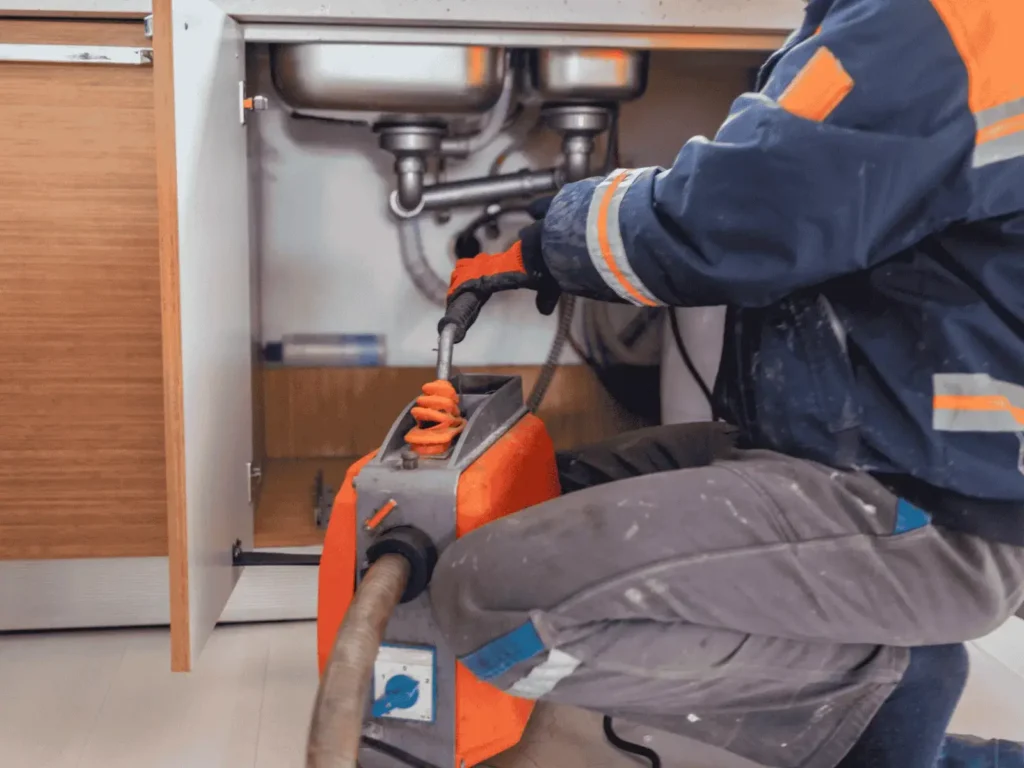
For recurring kitchen odors, a deeper cleaning by an expert drain cleaning technician is sometimes the difference between a temporary fix and a real solution, especially when the problem keeps coming back despite home remedies.
How Floor, Basement, and Laundry Drains Create House-Wide Odors
Basement and floor drains often smell because they are used less often, dry out more easily, and can become the easiest path for sewer gas to enter the home. In lower-level spaces, the odor may seem stronger because air circulation is usually weaker.
A common complaint is that the floor drain smells like sewage even though nothing appears blocked. In many cases, the trap simply dried out. In other cases, the drain is holding standing water, sludge, or hidden residue. If there is a laundry sink or unfinished basement nearby, moisture and low airflow can also support mold and mildew, adding a musty layer to the odor.
In older homes around Indianapolis, Broad Ripple, Carmel, Fishers, and other Central Indiana areas, basement floor drains are especially worth checking during seasonal changes because evaporation, vent imbalance, and aging pipe connections tend to show up there first.
Quick Fixes for Smelly Drains Inside House
The fastest fixes are to clean the visible buildup, flush the line correctly, refill any dry trap, and clean the components that usually get ignored. These steps solve many odor issues before the problem turns into a backup.
Clean the Drain Opening, Stopper, and Strainer
Start with the part you can reach. Remove hair, soap residue, food scraps, and slime from the drain opening, stopper, strainer, and disposal splash guard. This step matters because surface sludge can keep feeding odor even after you flush the drain.
Refill a Dry Trap
If the fixture is rarely used, run water for 30 to 60 seconds to restore the trap seal. For underused drains, adding a small amount of mineral oil on top of the water can help slow evaporation.
Flush and Deodorize Correctly
Use hot water carefully to loosen residue, but do not rely on hot water alone for heavy buildup. A baking soda and vinegar treatment can help reduce mild odor, though it will not repair damaged plumbing or clear a solid blockage.
Drain Odor Diagnosis Table
The table below helps match the smell to the most likely source before you decide on the next step.
Symptom | Most Likely Cause | What It Usually Means |
Rotten egg or sulfur smell | Sewer gas, hydrogen sulfide, dry trap | Lost trap seal or venting issue |
Musty smell | Mold, mildew, wet residue | Overflow, stopper, cabinet, or slow drain buildup |
Sour or dirty smell | Biofilm, bacteria, soap sludge | Upper pipe wall contamination |
Food-like or rotten smell | Food particles, grease, disposal residue | Kitchen buildup or disposal chamber contamination |
Odor from many drains | Vent blockage, sewer line issue | System-wide airflow or drainage problem |
Smell plus slow flow | Clogged drain, partial clog, blocked pipes | Material is trapped and decomposing |
Step-by-Step: How to Clean and Prevent Drain Odors
The best prevention method is regular cleaning plus early response to slow drains, gurgling, or repeat odors. Waiting turns simple buildup into a deeper plumbing problem.
Safe Home Maintenance Steps
- Remove visible debris from the stopper, drain cover, or sink strainer.
- Flush the line with hot water that is safe for the pipe material.
- Use baking soda followed by vinegar for light maintenance, then flush again.
- Run water in unused fixtures to refill the trap.
- Clean the garbage disposal splash guard and chamber if the kitchen drain smells.
- Check under the sink for drips, dampness, or a loose trap connection.
- Repeat light maintenance weekly in problem drains and monthly in low-use drains.
Tip: A sink strainer or drain cover prevents new buildup better than most people realize. Catching debris before it enters the pipe is easier than breaking it down after it rots.
After these steps, many cases of smelly drains inside house improve quickly. If the odor fades and stays gone, the problem was likely buildup or a dry trap rather than major plumbing damage.
When a Smell Means the Problem Is Deeper
A persistent smell often means the problem is not just at the drain opening. If odor returns quickly after cleaning, there may be a hidden leak, vent failure, seal problem, or sewer-side defect.
This is especially true when sink drains smell in more than one room or when the odor is strongest near toilets, floor drains, or walls. A failed toilet wax ring, a cracked branch line, or a damaged vent connection inside the wall can allow gas to escape even when the fixture itself looks normal.
If the issue keeps coming back, a professional camera inspection can help rule out sludge pockets, bellies in the line, root intrusion, or a broken sewer line. For recurring house-wide smells, pipe imaging and airflow diagnostics are often more useful than repeating chemical cleaners.
Signs You Should not Ignore
- More than one drain smells at the same time.
- The odor returns within a day or two after cleaning.
- You hear gurgling sounds when a nearby fixture drains or a toilet flushes.
- Water drains slowly, backs up, or leaves standing water.
- The smell is strongest in the basement or near a floor drain.
- You see leaks, corrosion, or dampness near the trap or wall connection.
- The odor is clearly sewage-like and gets stronger during humid weather or heavy use.
Common Causes vs. Best Prevention Methods
This second table helps connect the root cause with the prevention strategy that actually matches it.
Root Cause | Best Prevention Method | Why It Works |
Biofilm and bacteria | Routine stopper and upper-drain cleaning | Removes slimy residue before it decomposes |
Dry P-trap | Run water monthly in unused drains | Restores the trap barrier |
Grease and FOG | Never pour oil or grease down the sink | Prevents pipe-wall buildup |
Hair and soap scum | Use a screen and clean it often | Stops clogs before they form |
Vent blockage | Inspect venting when multiple drains smell | Restores proper air movement |
Disposal odor | Clean splash guard and disposal chamber | Removes trapped food residue |
Aging seals or cracked pipes | Periodic inspection | Finds gas leaks before odor spreads |
Sewer line defects | Early diagnosis and repair | Stops recurring system-wide odor |
Prevention Tips That Keep Drains Fresh Longer
The best long-term prevention strategy is small, consistent maintenance. Drain odors are easier to prevent than to chase after they spread through the house.
- Clean stoppers, strainers, and drain openings weekly in high-use sinks.
- Avoid washing fats, oils, and grease (FOG) into the kitchen line.
- Run water in guest baths, basement fixtures, and unused floor drains every few weeks.
- Clean the garbage disposal and splash guard regularly.
- Watch for slow draining water, bubbles, or gurgling sounds.
- Check for cabinet dampness, loose slip joints, and a hidden smell under sink.
- Schedule yearly maintenance if your house has older piping or repeat odor issues.
A lot of homeowners only react when smelly drains inside house become strong enough to notice across rooms. That is usually later than ideal. The earlier you address a bad smell, the less likely it is to turn into a backup, vent problem, or hidden leak.
What Not to Do When a Drain Smells
Some DIY habits make odor problems worse. Strong chemical overuse, repeated “temporary” flushing, and ignoring ventilation clues can delay the real fix.
- Do not keep pouring harsh chemicals into a drain that already has a leak or repeat odor.
- Do not assume a fresh scent means the source is gone; surface fragrance can hide deeper sludge.
- Do not ignore a fixture that smells better for one day and then worsens again.
- Do not overlook the overflow drain, disposal splash guard, or trap seal.
- Do not treat every odor as a simple clog when multiple fixtures are involved.
Do not delay calling a local plumbing company if you suspect a venting issue or line damage.
Why Older Homes Get More Drain Odor Problems
Older homes tend to get more drain odor problems because they have aging seals, rougher pipe interiors, outdated venting layouts, and more opportunities for buildup to stick. Even when the plumbing still works, the interior of the line may hold odor-causing material more easily than newer piping.
This is one reason smelly drains inside house show up more often in older bathrooms, older kitchens, and partially finished basements. The pipe may not be fully blocked, but rough cast iron, worn fittings, old trap assemblies, or hidden corrosion create surfaces where sludge collects faster. If a home has had multiple repairs over the years, mismatched pipe materials can also contribute to airflow or drainage inconsistencies.
Get Rid of Drain Odors Before They Turn Into Bigger Plumbing Problems
If you are dealing with repeat drain smells, slow drains, a sewage-like odor, or buildup that keeps coming back, now is the time to fix the cause instead of masking the smell. DW Plumbing helps homeowners diagnose drain odor problems, clean blocked lines, and find hidden issues before they turn into expensive repairs.
Call DW Plumbing at 3175001009 to schedule service and get your drains, traps, and drain lines checked by a team that knows how to solve the root cause of household drain odors.
FAQ About Smelly Drains Inside House
Why do smelly drains come back after I clean them?
Smells come back when the cleaning only removes surface grime and leaves deeper biofilm, bacteria, or a partial clog inside the line. Repeat odor can also mean a dry P-trap, a venting issue, or damaged plumbing is allowing sewer gas back into the room.
Can a smelly drain be dangerous?
Yes, it can be, especially if the smell is from sewer gases rather than simple surface buildup. Hydrogen sulfide and other gases can irritate the airways, and a strong sewage smell should never be ignored.
Why does one sink smell worse in the morning?
Morning odors are often stronger because the room has been closed up overnight and the trap, overflow, or upper pipe walls have had time to release concentrated odor. Warm indoor air can also make trapped smells more noticeable.
Can baking soda and vinegar solve every drain odor?
No. It can help with mild organic residue and light odor, but it cannot fix a broken trap, cracked pipe, failed vent, disposal defect, or major blockage.
When should I call a plumber for drain odor?
Call a plumber when multiple drains smell, the odor returns quickly, you hear gurgling, the drain runs slow, or the smell is strongest near a basement drain, toilet base, or wall. Those signs often point to deeper plumbing trouble rather than simple surface buildup.