Quick Answer: A bathroom sink keeps clogging in older homes mainly because of hair buildup, soap scum, toothpaste residue, mineral buildup from hard water, and aging plumbing that traps debris inside pipes. Older systems often have corroded pipes, misaligned pipes, or rough pipe walls that catch waste more easily than modern plumbing. When these materials combine with daily grooming products, they create recurring clogs that return even after cleaning. Addressing buildup early, maintaining the stopper, and checking deeper sections of the drain line are the best ways to prevent long-term blockages.
Why Older Homes Have More Bathroom Sink Drain Problems
Older houses naturally develop more plumbing issues because the pipes have been exposed to years or even decades of buildup. Over time, residue from everyday use collects inside the drain system.
A bathroom sink handles much more than water. It carries hair buildup, personal care products, toothpaste residue, makeup, beard trimmings, skin flakes, and dirt every single day. In modern plumbing these materials may flow away more easily, but in older homes they cling to rough interior surfaces.
Many older drain systems also contain corroded pipes or sections with damaged pipes. Rust and wear create rough areas where debris sticks easily. Once buildup begins sticking, the same spot collects more waste every day until a clogged bathroom sink develops.
This is why homeowners often feel like the bathroom sink keeps clogging even after they clean it. The real issue is usually deeper buildup combined with aging plumbing.
The Most Common Reasons a Bathroom Sink Keeps Clogging
The most common reason a bathroom sink keeps clogging is not one single item going down the drain. It is usually a layered blockage built from daily use, old pipe condition, and incomplete cleaning.
A typical bathroom sink does not just handle water. It handles hair, beard residue, makeup, facial cleansers, soap, toothpaste, and whatever gets rinsed off hands and skin every day. In an older house, that material starts bonding together faster, especially when the pipe interior is rough or narrowed. One early warning many homeowners miss is a faint smell coming from bathroom sink drain, because odor often appears before a complete blockage.
Hair Buildup Inside the Drain
The leading cause of bathroom clogs is hair buildup. Loose strands travel down the drain and wrap around components inside the pipe. Over time they form dense hair mats that catch even more debris.
Once hair starts collecting, soap, toothpaste, and other residue stick to it. This combination forms thick sludge that blocks water flow.
If your sink clogged hair problem keeps returning, the blockage is usually deeper than the drain opening.
Soap Scum and Product Residue
Another major contributor is soap scum. Soap, shampoo, and body wash react with minerals in water and leave behind a sticky coating on the pipe walls.
That film traps other debris such as toothpaste residue, product residue, and grooming waste. As the layer thickens, the drain line narrows and water drains slower.
Eventually the buildup creates a partial blockage that becomes a full clog.
Toothpaste, Makeup, and Grooming Waste
Bathroom sinks collect a surprising amount of waste from daily routines. Items like makeup, facial cleansers, shaving cream, and beard trimmings often go down the drain unnoticed.
Combined with skin flakes and debris, these substances form a sticky paste inside the pipe. Over time the paste hardens and causes pipe blockage.
Signs the Sink Needs Cleaning Before It Fully Clogs
Early detection prevents major plumbing problems. Many homeowners overlook the early signs to clean drains, which appear weeks before a full blockage forms.
Common warning signs include:
- Slow drainage when using the sink
- Standing water in the basin
- Gurgling sounds coming from the drain
- Foul odors from trapped debris
- Water backing up during use
Recognizing these symptoms early can prevent the situation where your bathroom sink keeps clogging repeatedly.
Can Toothpaste Clog a Sink?
Yes, toothpaste can clog a sink because it leaves sticky residue inside the drain pipe.
When toothpaste mixes with soap scum, hair, and minerals from hard water, it forms a thick layer along the pipe interior. Over time this residue traps additional debris and restricts water flow.
In older homes, this buildup sticks even more easily because the plumbing may contain aging plumbing, rough pipe surfaces, or misaligned pipes.
This explains why many homeowners whether toothpaste can clog a sink or not, the answer is yes, especially when combined with other bathroom waste.
Can Soap Scum Clog a Drain?
Yes, soap scum can clog a drain because it coats the pipe interior and traps debris.
Soap residue reacts with calcium and magnesium minerals found in hard water, creating stubborn buildup. As the residue thickens, it narrows the passage inside the pipe.
Eventually the sink may appear to drain normally but slowly worsen over time. Many homeowners describe this situation as bathroom sink drains slow not clogged, which usually means buildup is restricting flow rather than completely blocking it.
Why Older Plumbing Makes Clogs Worse
Older plumbing systems contribute to recurring sink problems because of structural changes in the pipes.
Many older homes have pipes that have developed:
- Corroded pipes
- Slightly misaligned pipes
- Interior roughness from rust
- Sediment buildup along pipe walls
These imperfections create pockets where debris collects. Over time the buildup grows thicker and turns into recurring clogs.
In some situations, the clog forms deeper in the system, causing a bathroom sink clogged past trap problem that simple cleaning cannot reach.
What Happens When Both Sides of Sink Backed Up
If both sides of sink backed up, the blockage is likely deeper than the sink trap.
This usually indicates a problem in the shared drain line rather than the sink itself. When multiple drains slow down at the same time, the clog could be located farther inside the plumbing system.
At this stage, professional diagnostics may be necessary. An affordable sewer camera technician can inspect the pipes and locate hidden buildup or structural issues that DIY tools cannot reach.
DIY Methods to Clear a Clogged Bathroom Sink
Before calling a plumber, several simple methods can remove minor clogs.
Step-by-Step Sink Unclogging Process
- Remove the drain stopper and clean off hair or debris.
- Flush the sink with hot water to loosen buildup.
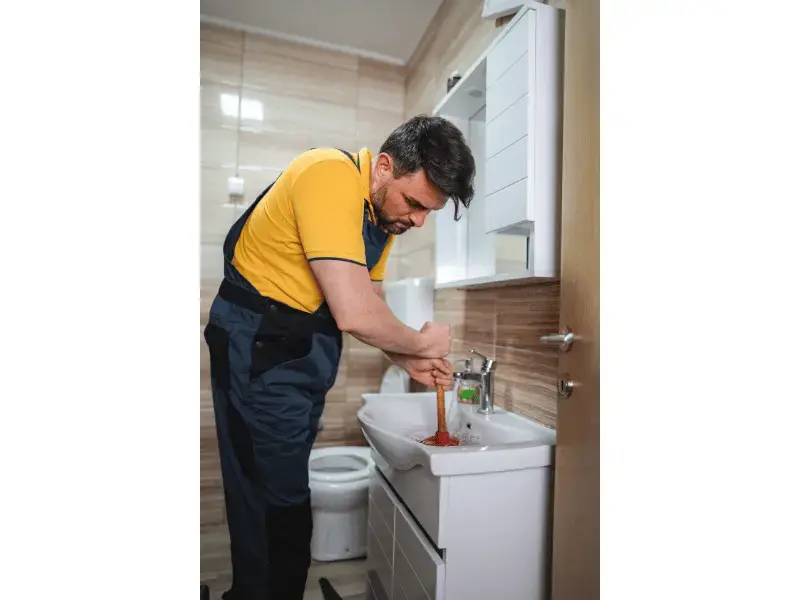
- Use a plunger designed for sinks to dislodge shallow clogs.
- Insert a drain snake to pull out deeper debris.
- If necessary, use a drain auger to break apart stubborn buildup.
These steps often restore flow if the clog is near the surface.
Tools That Help Keep Bathroom Drains Clear
Maintaining drains is easier when you use the right tools. The following table highlights common tools and their purpose.
Tool | Purpose | Best Use |
Plunger | Loosens shallow clogs | Slow sink drainage |
Drain Snake | Pulls out hair and debris | Moderate clogs |
Drain Auger | Breaks deep blockages | Stubborn buildup |
Drain Strainer | Prevents hair entering pipes | Daily prevention |
Regular maintenance using these tools helps prevent situations where your bathroom sink keeps clogging.
Quick Fix Tips to Prevent Sink Clogs
Simple habits can greatly reduce drain problems.
- Install a drain strainer to catch hair and debris.
- Clean the stopper monthly.
- Flush the sink with hot water weekly.
- Avoid rinsing heavy grooming products into the drain.
- Remove buildup before it becomes a blockage.
These habits are particularly important in older homes where aging plumbing traps debris easily.
When Recurring Clogs Mean a Bigger Plumbing Problem
If your bathroom sink drain stopped up repeatedly despite cleaning, the issue may involve deeper plumbing problems.
Common causes include:
Problem | Explanation |
Pipe damage | Cracks trap debris |
Mineral buildup | Hard water deposits narrow pipes |
Drain line obstruction | Debris trapped farther down |
Structural issues | Misaligned or aging pipes |
These situations often require professional help.
A local drain cleaning expert can clear buildup from the full diameter of the pipe rather than just creating a small opening through the clog.
When Multiple Fixtures Start Draining Slowly
f sinks, tubs, or toilets begin draining slowly at the same time, the issue may be beyond the bathroom sink.
This often indicates a deeper obstruction or main drain issue. A 24/7 plumbing company can diagnose the system quickly and prevent a small clog from becoming a serious plumbing emergency.
Long-Term Solutions for Recurring Bathroom Sink Clogs
Once the clog is removed, preventing future buildup is key.
Long-Term Drain Prevention Steps
- Schedule periodic drain cleaning services.
- Use professional drain cleaning when buildup becomes severe.
- Consider hydro-jetting to remove residue from pipe walls.
- Use routine maintenance to remove buildup early.
- Inspect pipes periodically to catch structural issues.
These steps ensure your bathroom sink keeps clogging problem does not return repeatedly.
Get Expert Help for Recurring Sink Clogs
If your bathroom sink keeps clogging and DIY fixes no longer work, it may be time for professional help. Recurring clogs often signal deeper buildup or pipe issues that require specialized tools.
DW Plumbing provides professional drain cleaning and plumbing services to restore proper drainage and prevent costly plumbing damage.
📞 Call DW Plumbing today: 3175001009
Our experienced team can diagnose the cause of recurring sink clogs and provide long-lasting solutions so your drains flow smoothly again.
FAqs about Bathroom Sink Keeps Clogging
Why does my bathroom sink keep clogging even after cleaning it?
Because buildup remains deeper in the pipe. Surface cleaning removes visible debris but often leaves hair, soap residue, or mineral deposits farther inside the drain line.
Can hard water cause sink clogs?
Yes. Hard water leaves mineral buildup inside pipes, which narrows the flow path and traps debris more easily.
What causes slow drains in older homes?
Older plumbing systems often contain corroded pipes, buildup, or slight misalignment that restricts water flow.
How often should bathroom sink drains be cleaned?
For homes with frequent use, cleaning the stopper monthly and flushing the drain weekly helps prevent buildup.
When should I call a plumber for a clogged sink?
If the clog returns quickly, multiple drains are affected, or the sink remains blocked after DIY methods.