If your Indianapolis home was built before 1980, there is a good chance the original plumbing is still running behind your walls. Galvanized steel, polybutylene, and even lead supply lines were standard in homes across the east side, Southport, Beech Grove, and Lawrence for decades. Those materials have a shelf life, and for many homeowners in the Indianapolis metro area, that shelf life is up.
Repiping is not a project most people think about until something goes wrong. But knowing the warning signs can help you avoid a catastrophic failure and make the decision on your own terms rather than in an emergency.
Your Water Looks Rusty or Discolored
If brown, yellow, or orange-tinted water comes out of your taps – especially when you first turn them on in the morning – that is a strong sign of internal pipe corrosion. Galvanized steel pipes corrode from the inside out, and by the time you see discoloration, the walls of the pipe have been deteriorating for years.
This is not just a cosmetic issue. Corroded pipes can leach metals into your drinking water. The U.S. Environmental Protection Agency sets guidelines on acceptable contaminant levels in residential water, and degraded pipes can push your home’s water beyond those thresholds.
If you have noticed buildup on your fixtures, we have covered the connection between pipe corrosion and calcium buildup on faucets and sediment in your pipes in detail.
Frequent Leaks in Different Locations
One leak is a repair. Two or three leaks in different areas of the house within a year is a pattern. When multiple sections of your plumbing start failing around the same time, patching individual spots becomes a losing game. The pipe material itself is deteriorating, and the next failure could happen anywhere in the system.
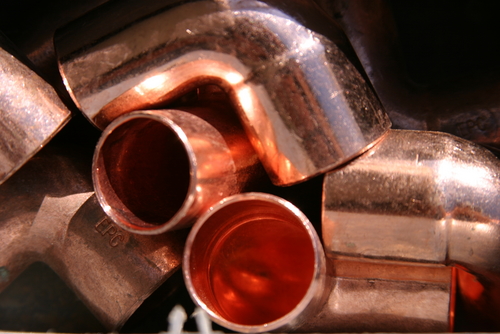
A full repiping service replaces all of the old supply lines with modern copper or PEX tubing, giving your home decades of reliable performance and eliminating the cycle of emergency repairs.
Persistent Low Water Pressure
Older galvanized pipes build up mineral deposits and corrosion inside the pipe walls over time. The internal diameter shrinks, and water pressure drops throughout the house. If you have noticed weak shower flow, slow-filling toilets, or reduced pressure at the kitchen sink, the issue is likely inside the pipes themselves rather than at the city supply.
We recently covered water hardness levels in Indianapolis and how our hard water accelerates this problem. Indianapolis water consistently measures between 15 and 25 grains per gallon, which is considered very hard and speeds up mineral deposits in older pipe systems significantly.
Visible Corrosion on Exposed Pipes
Check the exposed plumbing in your basement, crawl space, or under sinks. If you see green staining on copper fittings, white or orange flaking on galvanized pipes, or dark discoloration around joints, that corrosion is happening throughout the rest of the system too – you just cannot see it behind the walls.
Your Home Still Has Polybutylene or Lead Piping
Polybutylene pipes – gray, flexible plastic pipes common in homes built between the late 1970s and mid 1990s – are notorious for brittle failures. They were eventually pulled from the market due to widespread problems. If your Indianapolis home was built during that era and has never been repiped, you are on borrowed time.
Homes built before the 1950s, particularly in neighborhoods like Herron-Morton, Old Northside, and Woodruff Place, may still have lead supply lines. The Indiana Finance Authority is actively tracking lead service line replacements across the state, and homeowners can check whether their property is affected.
What Does Repiping Involve
A full repipe typically takes two to five days depending on the size of your home and how accessible the existing plumbing is. The process involves cutting into walls at strategic points, removing the old pipe system section by section, and installing new copper or PEX lines.
The team at DW Plumbing handles residential repiping projects across Indianapolis and the surrounding counties. We provide upfront pricing before any work begins, and we protect your floors and walls throughout the process.
Do Not Wait Until You Have a Flood
Repiping your home before a failure happens saves you money, protects your property, and gives you clean water from every tap. If your Indianapolis home is showing any of these signs, the smart move is to get an inspection now rather than deal with water damage later.
Call DW Plumbing at 317-500-1009 to schedule a free plumbing evaluation. We will tell you exactly what is going on inside your pipes – no pressure, no surprises.