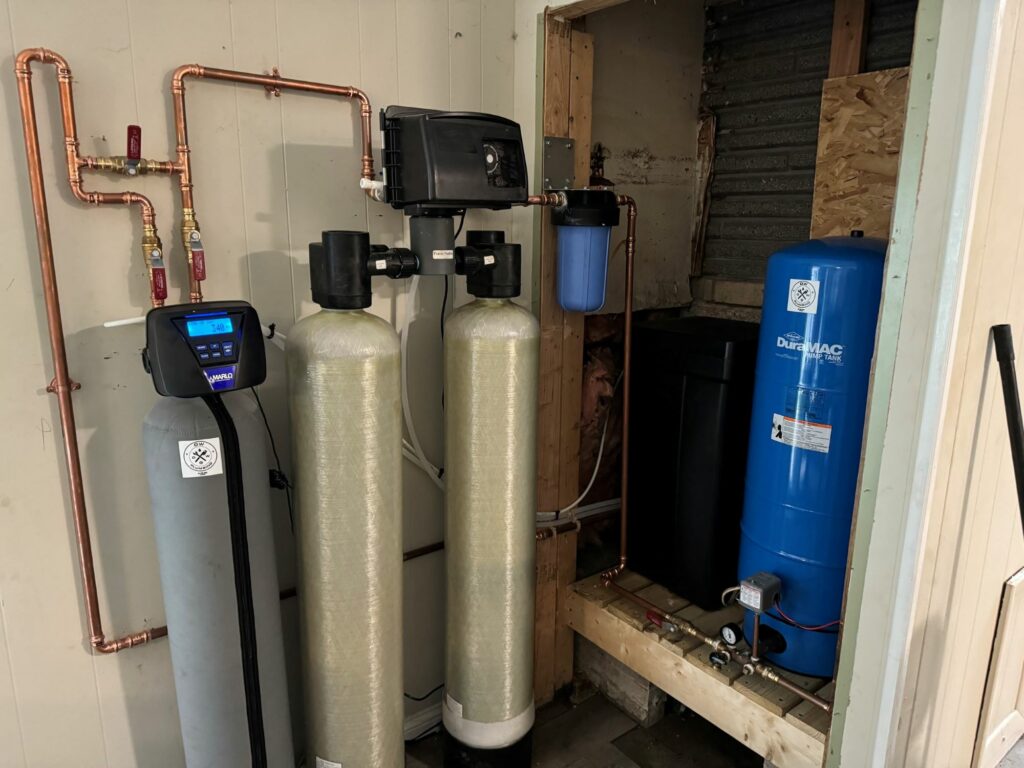
Contaminated water is a common issue affecting many households causing concerns over health and safety. Installing a water filtration system is an effective solution to ensure your family has access to clean, safe drinking water. A water filtration system removes impurities and contaminants, such as chlorine, lead, and bacteria, providing you with cleaner water directly from your tap. D.W. Plumbing LLC is your local provider for professional water filtration services in Indianapolis, Indiana, and surrounding areas. Contact us at (317) 500-1009 to schedule a service appointment and safeguard your home’s water supply today.
Understanding the types of contaminants that could be present in your water supply is essential for ensuring that your household consumes clean and safe water. Here are some of the most common contaminants found in water:
To effectively eliminate these contaminants and guarantee the safety of your drinking water, consider installing a water filtration system. Contact us at (317) 500-1009 to schedule a service appointment today.
Selecting the appropriate water filtration system for your household is a crucial step in ensuring that your water supply is safe and clean. With a variety of options available, making an informed decision can seem overwhelming. Here are some key factors to consider when choosing the right water filtration system for your home
Tip 1: Determine Your Water Quality Needs
Identify the specific contaminants in your water supply. Conduct a water quality test to find out which impurities are present. This will help you select a filtration system designed to target and eliminate those particular contaminants.
Tip 2: Evaluate Different Filtration Technologies
Compare available filtration methods. Different filtration technologies, such as activated carbon, reverse osmosis, and UV filters, have unique strengths. Understanding the benefits and limitations of each will help you choose the most effective system for your needs.
Tip 3: Consider Installation and Maintenance Requirements
Assess the complexity of installation and ongoing maintenance. Some systems are easy to install and maintain, while others may require professional assistance. Our plumbers can provide expert installation and maintenance services, ensuring optimal performance.
Tip 4: Budget for Initial and Long-Term Costs
Account for both upfront and ongoing expenses. While some filtration systems may have lower initial costs, consider long-term expenses such as filter replacements and energy consumption. Choose a system that fits within your budget without compromising on water quality.
Tip 5: Look for Certifications and Warranties
Verify the system’s certifications and warranty coverage. Ensure the filtration system meets industry standards for safety and performance. A good warranty provides protection against potential issues.
By following these tips, you can confidently choose a filtration system that meets your household’s needs. For professional guidance and installation, contact our skilled plumbers at D.W. Plumbing LLC. Call us at (317) 500-1009 to ensure your home’s water supply is safe and clean.
Installing a water filtration system in your home is an investment in your family’s health and well-being. By ensuring the water you consume and use daily is clean and safe, you take proactive steps towards a healthier lifestyle. Here are the top benefits of installing a water filtration system:
What types of water filtration systems do you offer?
We provide a range of water filtration systems, including whole-house filters, under-sink filters, and reverse osmosis systems. Each type is tailored to address different water quality issues and preferences.
How often do I need to replace the filters?
The frequency of filter replacement depends on the specific system and your water usage. Generally, filters should be replaced every 6 to 12 months. Our experts can help set up a maintenance schedule suitable for your needs.
Can you help determine which filtration system is best for my home?
Absolutely! We offer professional consultations to assess your water quality and home requirements. Our knowledgeable plumbers will recommend the most effective filtration system based on your specific needs.
What are the maintenance requirements for a water filtration system?
Maintenance typically involves regular filter changes and periodic inspections to ensure everything is functioning correctly. Our team is available for ongoing support and can handle all your maintenance needs to keep your system operating smoothly.
Are you concerned about the quality of your home’s water supply? Contaminants and impurities can negatively impact your health and appliances. A reliable water filtration system is the solution you need to ensure clean, safe drinking water for you and your family. At D.W. Plumbing LLC, we specialize in providing professional water filtration services in Indianapolis, Indiana, and nearby communities. In addition to filtration, we also offer expert plumbing fixture repair services to ensure your entire system runs efficiently. We are ready to assist you in selecting and installing the perfect system for your needs. Don’t wait—contact us today at (317) 500-1009 to speak with our knowledgeable team and improve your water quality immediately.
DW PLUMBING
We take pride in delivering quality service without compromising on integrity. We focus on building lasting relationships based on trust and reliability. By offering upfront flat-rate pricing, we aim to set a new standard in the plumbing industry - where customers feel valued and understood. Count on us for honest, quality solutions every time.
Fantastic and fast service. Both guys that came out were very professional. Thanks so much.
Fred Thomas
Housecall Pro
Daniel was awesome! He explained everything to me and communicated with me regarding arrival time. I appreciate his professionalism.
Tracy Taylor
Housecall Pro
Very capable, very professional. They did a fantastic job and I would most definitely recommend them.
Laurie George
Housecall Pro



D.W. PLUMBING LLC
24/7 Emergency Plumbing Service:
Have you ever faced a plumbing disaster in the middle of the night? Burst pipes, overflowing toilets, or sudden leaks can strike anytime, leaving you helpless. That’s where we come in. Our 24/7 emergency plumbing service ensures you're never alone in a crisis. As the top 24-hour plumbers in Indianapolis, Indiana and beyond, we respond swiftly to your call. Our experienced team arrives equipped and ready to tackle any plumbing emergency, no matter the hour. We understand that plumbing issues don’t wait for convenient times, so neither do we.
When an emergency strikes, you need a dependable solution fast. With years of experience and a commitment to excellence, we focus on delivering prompt, effective service. From the initial assessment to the final fix, our goal is clear communication and a practical repair plan for your plumbing issue. We combine expertise with rapid response to ensure your home is protected. Next time a plumbing nightmare catches you off guard, remember we’re just a phone call away.
 Call Now