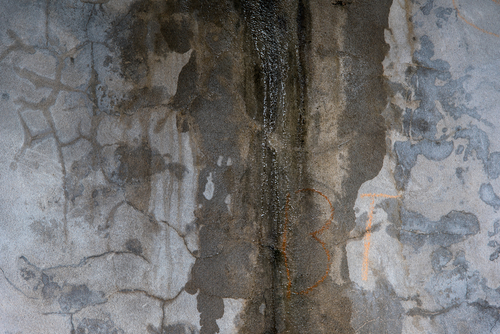
Quick Answer: A slab leak occurs when a water or sewer line beneath your concrete foundation develops a crack or pinhole. Warning signs include a sudden spike in your water bill, warm spots on the floor, the sound of running water when nothing is on, and cracks in the foundation. If you suspect a slab leak, call a licensed Indianapolis plumber for leak detection immediately.
A slab leak is one of the most stressful plumbing problems an Indianapolis homeowner can face. The leak is beneath the concrete foundation of your home, invisible and inaccessible without specialized equipment. By the time you notice the symptoms, the water has often been running for days or weeks, and the damage to your foundation, flooring, and wallet is already accumulating.
Knowing the signs can help you catch a slab leak early and limit the damage.
Unexplained Spike in Your Water Bill
This is often the first and clearest sign. A slab leak can waste hundreds or thousands of gallons per month depending on the size of the crack. If your water bill suddenly jumps 30, 50, or 100 percent without a change in usage, a hidden leak is the most likely explanation.
Turn off every water-using fixture and appliance in the house. Go to your water meter and check the flow indicator. If it is still moving, water is flowing through the system somewhere. A slab leak is one of the prime suspects.
Warm Spots on the Floor
If the leaking pipe is a hot water supply line, heated water seeps into the soil beneath the slab and radiates warmth upward through the concrete and flooring material. Walking barefoot through your home and noticing a warm area on the floor, particularly on tile or hardwood, is a telltale sign of a hot-side slab leak.
Sound of Running Water When Nothing Is On
In a quiet house, you may be able to hear the faint sound of water flowing beneath the floor. This is especially noticeable at night. If you hear running water and every faucet, toilet, and appliance is off, water is escaping somewhere in the system.
Cracks in the Foundation or Walls
A slab leak erodes the soil beneath the foundation over time. As the soil washes away, sections of the slab lose support and settle unevenly. This can produce visible cracks in the foundation, cracks in interior drywall (especially near door frames and windows), and doors or windows that suddenly stick or will not close properly.
The Indiana Geological and Water Survey provides data on Indiana soil conditions that contribute to foundation settlement, and water erosion from plumbing leaks accelerates the process significantly.
Damp Carpet, Warped Flooring, or Mold Growth
Water from a slab leak migrates upward through the porous concrete and saturates the flooring above. Carpet may feel damp in a specific area. Hardwood or laminate may buckle or warp. Tile grout may darken with moisture. And if the moisture has been present long enough, you may notice a musty or moldy smell in the affected area.
We covered additional signs of hidden moisture in our post on hidden water leak signs in Indianapolis homes. A slab leak produces many of the same symptoms but with the added complexity of being under the foundation.
What Causes Slab Leaks in Indianapolis
Hard water corrosion. Indianapolis water is among the hardest in the Midwest. Over decades, mineral-heavy water corrodes copper supply lines from the inside, eventually producing pinhole leaks. Homes on the Indianapolis hard water supply system are especially vulnerable if the original copper lines were not sleeved or protected before the slab was poured.
Soil shifting. Marion County and surrounding areas sit on expansive clay soil that shifts with moisture changes. As the soil moves, it puts pressure on the pipes embedded in or running beneath the slab, eventually stressing joints and connections to the point of failure.
Age of the plumbing. Homes built in the 1960s through 1980s, which make up a large portion of the Indianapolis housing stock, are now 40 to 60 years old. Copper supply lines of that age have been subjected to decades of thermal expansion, water chemistry, and soil pressure. We covered the broader implications of aging plumbing in our guide on plumbing problems in older Indianapolis homes.
How Plumbers Find Slab Leaks
Slab leak detection requires specialized equipment. A licensed plumber uses acoustic listening devices to amplify the sound of pressurized water escaping through the crack. Thermal imaging cameras can identify temperature differences on the slab surface that indicate the leak location. Pressure isolation tests confirm whether the leak is on the hot side, cold side, or drain system.
This diagnostic process narrows the location to a small area before any concrete is cut, minimizing disruption and repair cost.
Repair Options
Once the leak is located, the repair approach depends on the severity and location. Options include spot repair (cutting a small section of slab and replacing the damaged pipe), rerouting the line above ground or through the wall to bypass the damaged section entirely, or a full repipe if multiple lines under the slab are compromised.
Rerouting is often the preferred option for older homes because it avoids opening the slab repeatedly as additional sections fail in the future.
Do Not Wait on a Suspected Slab Leak
Every day a slab leak runs, you are paying for water you are not using, the soil beneath your foundation is eroding, and the risk of mold growth increases. Early detection turns a manageable repair into a straightforward fix. Delayed action turns it into a foundation issue.
DW Plumbing provides slab leak detection and repair across Indianapolis, Marion County, Hamilton County, and surrounding areas. We are licensed (#PC12000081), insured, and equipped with the tools to find the leak and fix it right.
Call 317-500-1009 if you suspect a slab leak in your Indianapolis home. We will find it, quote it honestly, and stop the damage before it gets worse.