Why Sediment in Pipes Builds Up in Household Water Systems
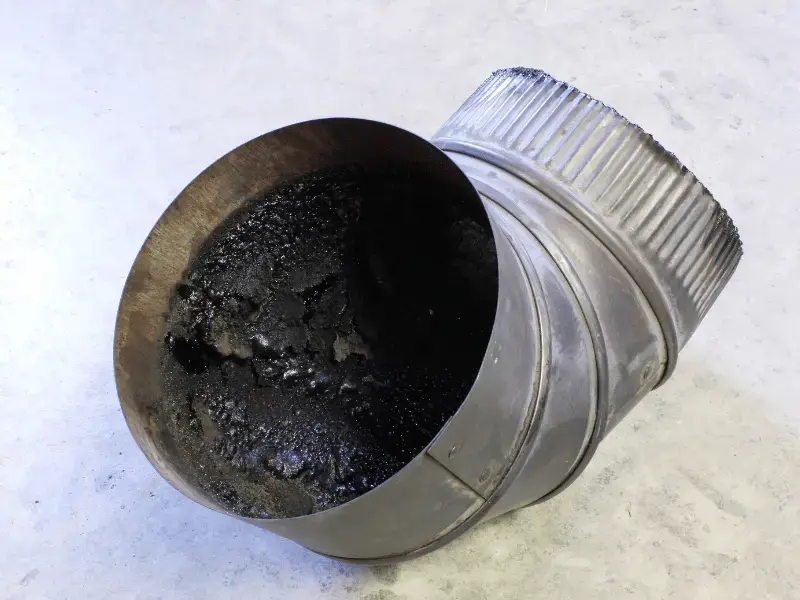
Quick Answer: Sediment in pipes builds up when tiny particles and dissolved minerals in the water supply settle, stick, and harden inside your plumbing over time. The most common sources are hard water, aging pipe materials, municipal water disturbances, well water, and debris entering through the incoming water supply. As these materials collect, they narrow […]
Why Bathroom Sink Keeps Clogging in Older Homes
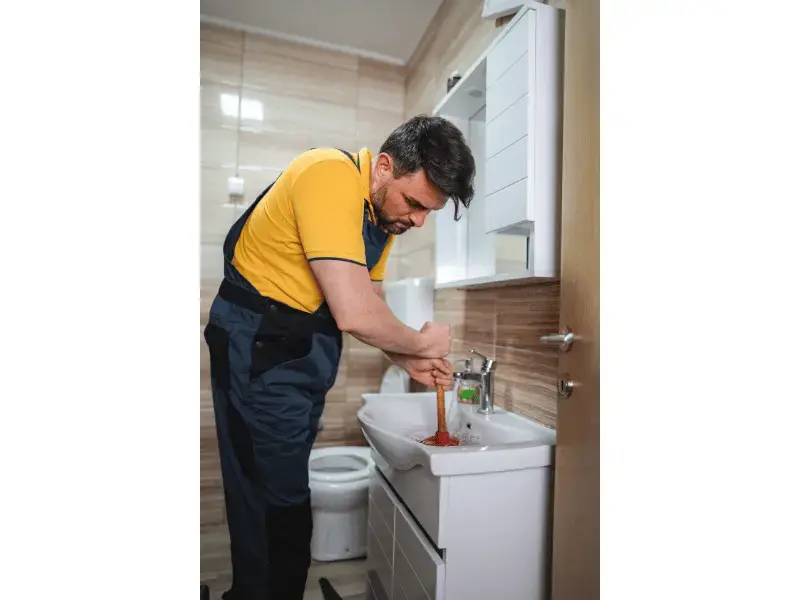
Quick Answer: A bathroom sink keeps clogging in older homes mainly because of hair buildup, soap scum, toothpaste residue, mineral buildup from hard water, and aging plumbing that traps debris inside pipes. Older systems often have corroded pipes, misaligned pipes, or rough pipe walls that catch waste more easily than modern plumbing. When these materials […]
Why You Have Smelly Drains Inside House and How to Prevent
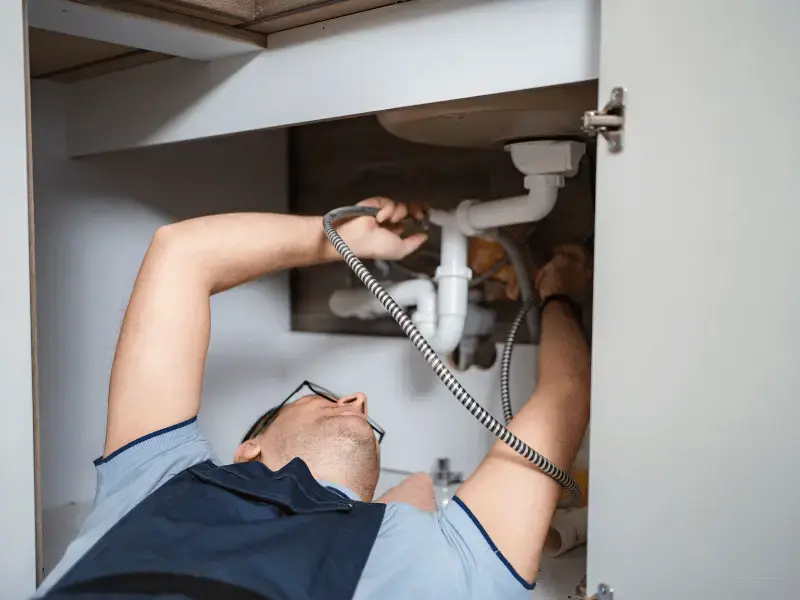
Quick Answer: Smelly drains inside house usually happen because organic matter, biofilm, hair, grease, soap scum, or sewer gas is trapped in the plumbing system. The most common causes are a clogged drain, a dry P-trap, bacteria buildup, vent pipe blockage, garbage disposal residue, or a damaged sewer line. The fastest prevention steps are to […]
Signs Your Indianapolis Home Needs Repiping
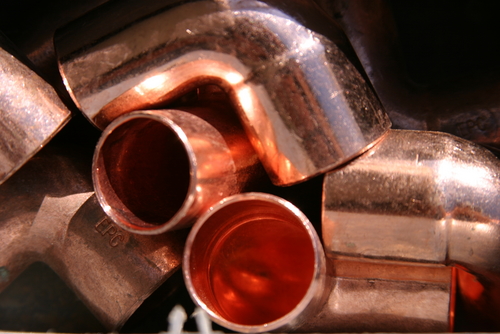
If your Indianapolis home was built before 1980, there is a good chance the original plumbing is still running behind your walls. Galvanized steel, polybutylene, and even lead supply lines were standard in homes across the east side, Southport, Beech Grove, and Lawrence for decades. Those materials have a shelf life, and for many homeowners […]
Faulty Gas Regulator Symptoms You Shouldn’t Ignore

Quick Answer: Faulty gas regulator symptoms usually show up as weak or uneven flames, slow ignition, pilot lights blowing out, hissing/whistling noises, or a gas odor near fittings. A failing regulator can’t hold stable inlet pressure and outlet pressure, so gas flow becomes inconsistent causing poor appliance performance and raising safety hazards. Start by noticing […]
Low Gas Pressure: Why It Happens and What It Signals

Quick Answer: Low gas pressure usually happens when gas flow is restricted by a leak, a failing pressure regulator, an obstruction (rust/scale), or capacity issues from undersized lines or high demand. The most common signals are weak burner flames, slow heating, pilot or ignition problems, and multiple appliances struggling at once. Start by checking whether […]
How to Diagnose and Clear a Clogged Sump Pump Discharge Line

Quick Answer: A clogged sump pump discharge line usually happens when debris, ice, or sediment blocks the discharge pipe so water can’t reach a safe drainage area. Start by shutting off power, confirming the pump runs and the water level changes, then inspect the outdoor outlet and the discharge pipe for visible blockages. If the […]
Why My Sump Pump Runs Constantly and How to Fix It

Quick Answer: If my sump pump runs constantly, it’s usually because the float switch is stuck, the check valve is failing and causing backflow, or the discharge pipe is clogged/frozen so water can’t exit. Start by turning off power, checking the sump pit water level, freeing the float, and inspecting the valve and discharge line. […]
How to Know If a Sump Pump Is Working or Starting to Fail

Quick Answer: To know if a sump pump is working, it should turn on automatically as water rises, drain the sump pit efficiently, shut off without hesitation, and operate without loud or irregular noises. The water level should drop quickly, the float switch should move freely, and the discharge line should carry water away without […]
Is Sediment in a Hot Water Tank Dangerous in Cold Weather?

Quick Answer: Yes during winter, sediment buildup becomes more harmful because colder incoming water forces longer heating cycles, trapping heat beneath mineral deposits. This can reduce efficiency, strain internal components, raise energy bills, and increase the risk of corrosion or leaks if left untreated. Addressing sediment early in cold weather helps prevent safety issues and […]
