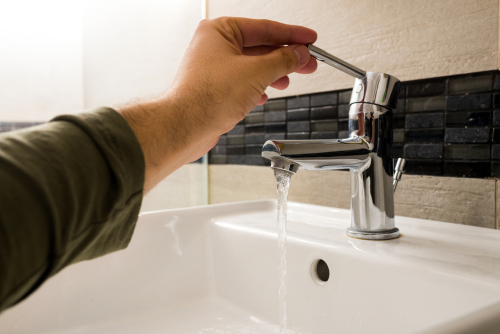
You turn on the shower and get a trickle. The kitchen faucet barely fills a pot. The washing machine takes forever to complete a cycle. Low water pressure is one of those problems that starts as a minor annoyance and quickly affects everything you do in your home.
For Indianapolis homeowners, this is an especially common complaint – and the cause is not always what you expect.
Check Whether the Problem Is Citywide or Just Your Home
Before calling a plumber, check with a neighbor. If they are experiencing the same drop in pressure, the issue may be on the municipal side. Citizens Energy Group manages the water supply for the Indianapolis metro area and occasionally performs maintenance, flushes hydrants, or addresses main line breaks that can temporarily reduce pressure in specific zones.
If the problem is isolated to your house, the cause is somewhere in your plumbing system.
The Most Common Culprits in Indianapolis Homes
Corroded or clogged pipes. Indianapolis has some of the hardest water in the Midwest, measuring between 15 and 25 grains per gallon depending on your neighborhood. Over years, mineral deposits narrow the inside of older galvanized or copper pipes and choke off water flow. We covered the impact of water hardness in Indianapolis and how it affects your plumbing – it is a bigger deal than most people realize.
A failing pressure regulator. Many Indianapolis homes have a pressure-reducing valve (PRV) installed near the main water line entry point. These valves typically last 10 to 15 years before they start to fail. When they go bad, pressure can drop throughout the house without any other visible sign of trouble.
A partially closed shut-off valve. It sounds simple, but it happens more often than you would think. After a repair, renovation, or water heater replacement, a valve may not get fully reopened. Check your main shut-off valve and the individual fixture shut-offs under sinks and behind toilets.
A leaking pipe you cannot see. A hidden leak behind a wall or under the slab diverts water before it reaches your fixtures. If your pressure dropped suddenly rather than gradually, and your water bill jumped without a change in usage, there may be a leak that needs professional detection.
Sediment buildup in the water heater. If the low pressure is only noticeable on the hot water side, the water heater may have sediment buildup restricting flow through the dip tube or outlet. We have a detailed post on whether sediment in a hot water tank is dangerous that covers what to look for.
When Low Pressure Means You Need a Plumber
If you have checked the basics – valves are open, the city supply is fine, and the problem persists on both hot and cold sides – the issue is inside your plumbing system and needs professional diagnosis.
A licensed plumber can test your static water pressure with a gauge, inspect the PRV, and evaluate the condition of your supply lines. In many older Indianapolis homes, the real answer is that the galvanized pipes have reached the end of their useful life. If that is the case, a whole-home repiping is the long-term fix that restores full pressure and eliminates the mineral buildup problem permanently.
For homes where hard water is the root cause but the pipes are still in decent shape, a water filtration system or water softener can slow the buildup and extend the life of your existing plumbing.
Do Not Ignore It
Low water pressure rarely fixes itself. In most cases, the underlying cause – whether it is corrosion, a failing valve, or a hidden leak – gets worse with time. What starts as a slow shower eventually becomes a pipe failure or a water damage claim.
DW Plumbing diagnoses and fixes water pressure problems across Indianapolis and the surrounding counties. We provide upfront pricing, same-day appointments, and honest recommendations. No upselling. No guessing.
Call 317-500-1009 and let a licensed Indianapolis plumber get your pressure back where it should be.