Top 10 Winter Plumbing Problems and Their Solutions

Winter weather can wreak havoc on your plumbing system. The most common issues, like frozen pipes, slow drains, and malfunctioning water heaters, can cause costly damage if ignored. Here’s how to recognize, prevent, and fix the top 10 winter plumbing problems.

Table of Contents

1. Frozen Pipes

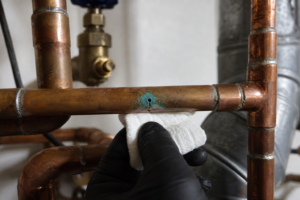
Frozen pipes occur when water inside them solidifies, expanding and blocking flow. The first sign is reduced water pressure or frost on exposed pipes.

Quick Fix: Wrap frozen sections in warm towels or use a space heater at low settings to thaw slowly, never use open flames.

Tips to Prevent It:

  • Keep cabinet doors open under sinks to circulate warm air.

  • Insulate pipes in attics, basements, and crawl spaces.

  • Maintain indoor temperatures above 55°F, even when away.

2. Burst Pipes

Burst pipes are a severe consequence of freezing and thawing cycles. The sudden expansion from ice formation can crack even durable PVC or copper lines.

Solution:

Shut off the main water valve immediately and drain the system. Contact Licensed Plumbers for professional repair and damage control.

Pipe MaterialBurst RiskIdeal Temperature Range
CopperHigh> 50°F
PVCModerate> 45°F
PEXLow> 40°F

3. Slow or Clogged Drains

During winter, grease and fats from cooking solidify in drainpipes faster, causing slow drainage. Hair and soap scum further worsen the clog.

Quick Fix: Pour a pot of hot (not boiling) water down the drain, followed by half a cup of baking soda and vinegar. Finish with another flush of warm water after 15 minutes.

Maintenance Tip:

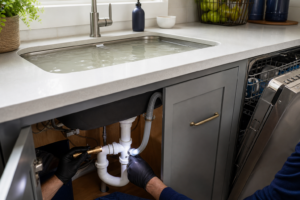
Schedule routine Drain Cleaning once every three months to prevent major blockages.

4. Malfunctioning Water Heaters

Cold water makes your water heater work harder, shortening its lifespan and efficiency. Sediment buildup can also cause loud noises and temperature fluctuations.

Fix: Flush your unit once a year to remove sediment. If hot water output drops suddenly, it’s time for a Sewer Camera Inspection to ensure the problem isn’t in connected pipes.

IssueCommon CauseRecommended Action
No Hot WaterHeating element failureReplace heating coil
Rusty WaterCorroded tankReplace anode rod
Low TemperatureSediment buildupFlush heater

5. Sump Pump Failure

Sump pumps prevent basement flooding, but freezing temperatures can seize the motor or discharge line.

Tips:

  • Clean debris around the pump basin regularly.

  • Test pump operation monthly.

  • Install a backup battery to handle power outages.

Quick Fix:

Pour warm water into the discharge pipe to melt minor ice blockages.

6. Leaking Faucets

Even a slow drip can freeze overnight, expanding cracks in fixtures. Leaking faucets waste gallons of water daily and signal pressure buildup.

Fix: Replace worn washers and cartridges immediately. Turn on faucets slightly during extreme cold to relieve pipe pressure and avoid bursts.

7. Running Toilets

Toilets may develop silent leaks during cold months as rubber seals shrink. A constantly running toilet wastes up to 200 gallons per day.

DIY Fix:

Drop food coloring in the tank, if color appears in the bowl within 10 minutes, replace the flapper.

Prevention Tip:

Conduct a full inspection twice yearly to ensure seals are intact and valves function properly.

8. Sewer Line Freezing

Sewer lines can freeze underground during extended subzero temperatures, causing foul smells or backups.

Solution:

Run warm water for several minutes daily to keep lines active. For recurring issues, have professionals perform a Sewer Camera Inspection to detect cracks or infiltration.

9. Water Heater Efficiency Drop

When outdoor temperatures fall, water entering your water heater is significantly colder, reducing heating efficiency. You may notice longer heating times or lukewarm water.

Tip:

Insulate your water heater tank and connecting pipes to reduce heat loss by up to 25%.

Quick Fix:

Lower thermostat to 120°F to conserve energy while maintaining comfort.

10. Hard Water Deposits and Scale

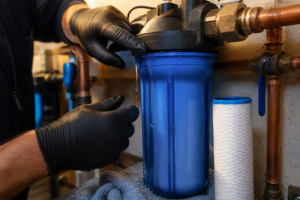
Cold weather intensifies the Hardness levels of water, leading to mineral buildup inside fixtures, pipes, and appliances. These deposits can restrict water flow and reduce heater efficiency.

Solution:

Install a water softener or use vinegar flushes monthly. Descaling prevents damage to heating elements and plumbing joints.

During colder months, water heating systems work harder to maintain consistent temperatures. If you’re noticing inefficiency or higher energy bills, it may be time to choose between Electric vs Gas Water Heater options for better long-term performance and energy balance.

Preventive Maintenance Schedule

A simple winter maintenance checklist can help avoid 80% of seasonal plumbing issues:

  1. Insulate all exposed pipes before freezing conditions.

  2. Check sump pump operation monthly.

  3. Test main water shut-off valve.

  4. Flush water heater every 6–12 months.

  5. Clean the Drains weekly using mild solutions.

Stay Ahead of Winter Plumbing Problems

Winter plumbing maintenance doesn’t have to be stressful. By understanding common problems and taking preventive steps, like insulation, regular drain cleaning, and annual plumbing inspections, you can avoid unexpected breakdowns and costly repairs. A small investment in preparation today can save you thousands tomorrow.

If you’re noticing signs of winter plumbing issues, don’t wait for an emergency. Call DW Plumbing at (317) 500-1009 to schedule a professional inspection and keep your home protected all season long.

Frequently Asked Questions

Can cold weather affect my home’s water pressure permanently?

Yes. When pipes expand and contract repeatedly in freezing weather, micro-fractures can develop, reducing long-term water pressure even after temperatures normalize.

In colder months, bacterial growth in water heaters and stagnant pipes can cause musty or metallic odors. Flushing the heater and sanitizing fixtures usually eliminates it.

Always disconnect hoses and shut off the outdoor water supply, but leave the faucet slightly open to let trapped water expand safely without bursting the pipe.

Test it by pouring a bucket of water into the pit, if it doesn’t activate immediately, clean the discharge line and check the float switch before freezing temperatures arrive.

Yes. PVC and PEX materials resist freezing and cracking better than copper or steel, which conduct cold faster and are more prone to splitting under pressure.

Maintain an indoor temperature of at least 55°F (13°C), even when away from home. Colder homes risk pipe freeze, especially in uninsulated crawl spaces.

Dry P-traps are the usual culprit, cold, dry air causes the water barrier to evaporate, allowing sewer gases to escape. Pouring a cup of water and mineral oil helps seal it.

No, but it significantly reduces the risk. Insulation slows heat loss but can’t compensate for unheated crawl spaces or exterior walls exposed to extreme cold.

Shut off your main water valve, open faucets to drain lines, and ask a neighbor to occasionally check the temperature inside your home while you’re away.

Turn off the main water supply immediately, switch off electricity in the affected area, and start mopping excess water to prevent structural damage before calling a professional.

SHARE OUR POST

GET IN TOUCH

DW PLUMBING

CLIENT TESTIMONIALS

We take pride in delivering quality service without compromising on integrity. We focus on building lasting relationships based on trust and reliability. By offering upfront flat-rate pricing, we aim to set a new standard in the plumbing industry—where customers feel valued and understood. Count on us for honest, quality solutions every time.

Fantastic and fast service. Both guys that came out were very professional. Thanks so much.

5/5

Fred Thomas

Housecall Pro

Daniel was awesome! He explained everything to me and communicated with me regarding arrival time. I appreciate his professionalism.

5/5

Tracy Taylor

Housecall Pro

Very capable, very professional. They did a fantastic job and I would most definitely recommend them.

5/5

Laurie George

Housecall Pro

Review US

24/7 Emergency Plumbing Service:

We're There When You Need Us Most

Have you ever faced a plumbing disaster in the middle of the night? Burst pipes, overflowing toilets, or sudden leaks can strike anytime, leaving you helpless. That’s where we come in. Our 24/7 emergency plumbing service ensures you're never alone in a crisis. As the top 24-hour plumbers in Indianapolis, Indiana and beyond, we respond swiftly to your call. Our experienced team arrives equipped and ready to tackle any plumbing emergency, no matter the hour. We understand that plumbing issues don’t wait for convenient times, so neither do we.

When an emergency strikes, you need a dependable solution fast. With years of experience and a commitment to excellence, we focus on delivering prompt, effective service. From the initial assessment to the final fix, our goal is your peace of mind. Trust us to be your reliable partner in emergencies. We combine expertise with rapid response to ensure your home is protected. Next time a plumbing nightmare catches you off guard, remember we’re just a phone call away.

Call us now at 317-500-1009 for emergency service 24/7

OR

Call Now Button