
Tank vs Tankless Water Heater in Indianapolis: A 10-Year Cost Comparison

DW Plumbing gets the tank vs tankless question every week from Indianapolis homeowners facing a water heater replacement. The honest answer is that neither option is universally better. The right choice depends on your home’s hot water demand, your fuel source, how long you plan to stay in the home, and your tolerance for higher […]
Hydro Jetting vs Snaking in Indianapolis: Which Drain Cleaning Method Is Right for Your Home?

DW Plumbing uses both hydro jetting and traditional drain snaking for Indianapolis homeowners, and the right choice depends on what is causing the clog, where the clog is located, and the age and condition of the pipes. For a simple kitchen sink clog in a Greenwood home built in 2005, a snake is usually all […]
How Often Should a Sump Pump Run in Indianapolis?

DW Plumbing gets this question every spring from Indianapolis homeowners listening to their sump pumps cycle on and off through May and June storms. There is no single correct answer, because normal cycling frequency depends on the water table, the time of year, the size of the basement, and the local rainfall. In Indianapolis, a […]
Battery Backup Sump Pump in Indianapolis: Why Every Finished Basement Needs One

DW Plumbing recommends battery backup sump pumps for most Indianapolis homes with finished basements, because Marion County’s worst storms regularly knock out power during the exact moments primary sump pumps are needed most. A battery backup system uses a deep-cycle marine battery to power a secondary pump when AC power fails, keeping the basement dry […]
Signs of a Slab Leak Under Your Indianapolis Home
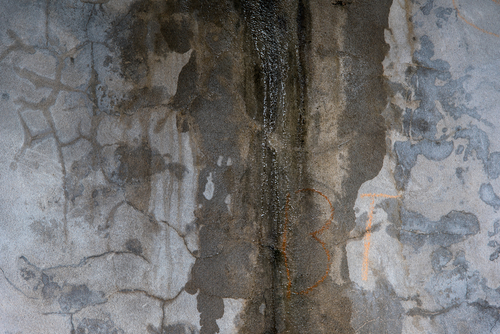
Quick Answer: A slab leak occurs when a water or sewer line beneath your concrete foundation develops a crack or pinhole. Warning signs include a sudden spike in your water bill, warm spots on the floor, the sound of running water when nothing is on, and cracks in the foundation. If you suspect a slab […]
Outdoor Faucet Leaking? What Indianapolis Homeowners Need to Know

Quick Answer: An outdoor faucet (hose bib) that leaks is usually caused by a worn washer, a cracked vacuum breaker, or freeze damage to the pipe behind the wall. A drip from the spout is often a simple repair. Water seeping from the wall behind the faucet is more serious and needs professional attention immediately. […]
Backflow Prevention Testing: What Indianapolis Homeowners and Businesses Need to Know
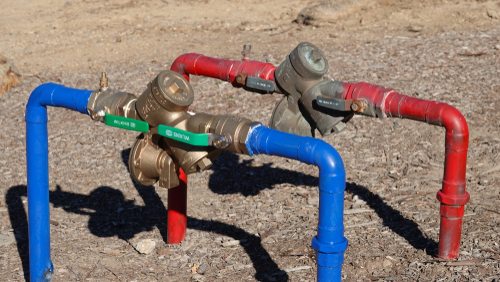
Quick Answer: Backflow happens when contaminated water flows backward into your clean water supply due to a drop in pressure. Indianapolis requires annual backflow preventer testing on irrigation systems, fire suppression systems, and certain commercial connections. A licensed plumber with backflow certification performs the test and files the report with the water utility. Backflow is […]
Why Your Faucet Will Not Stop Dripping and What It Really Costs
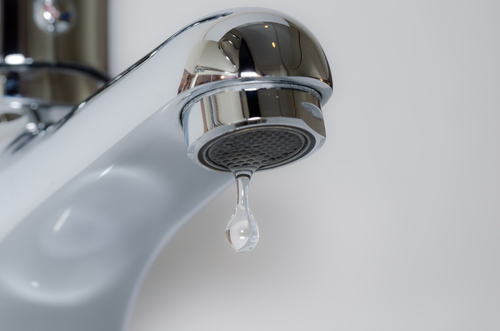
Quick Answer: A dripping faucet is usually caused by a worn cartridge, O-ring, valve seat, or washer inside the faucet body. While a single drip seems minor, it can waste over 3,000 gallons of water per year. Replacing the internal components or the entire faucet is a straightforward repair for a licensed Indianapolis plumber. That […]
What Greenwood Indiana Homeowners Should Know About Their Plumbing
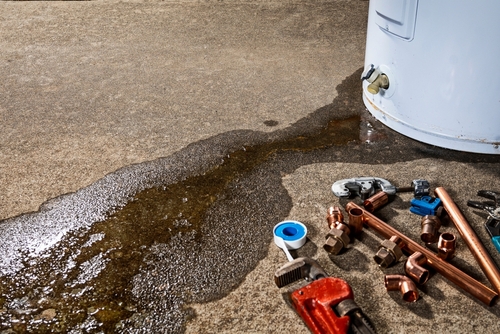
Quick Answer: Greenwood homes range from 1970s builds to brand-new construction, and each era has distinct plumbing vulnerabilities. Common issues include water heater failures in 10-to-15-year-old homes, hard water damage to fixtures and appliances, and sump pump demands from Johnson County’s clay-heavy soil. A licensed plumber who serves Greenwood regularly will know what to look […]
What Beech Grove Indiana Homeowners Should Know About Their Plumbing
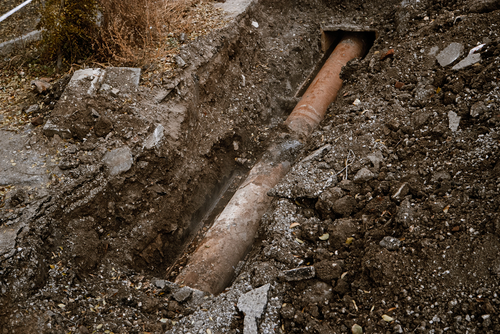
Quick Answer: Beech Grove homes, many built between the 1940s and 1970s, commonly deal with galvanized pipe corrosion, clay sewer line failures, hard water damage, and aging water heaters. A licensed plumber familiar with Beech Grove housing stock can diagnose issues faster and recommend the right fix the first time. Beech Grove is a tight-knit […]
