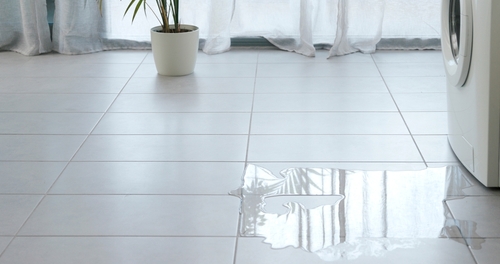
Quick Answer: Hidden water leaks often show up as unexplained spikes in your water bill, damp spots on walls or ceilings, musty odors, warped flooring, or the sound of running water when nothing is on. If you notice any of these signs, call a licensed Indianapolis plumber for leak detection before the damage spreads.
Not every plumbing leak announces itself with a puddle on the floor. Some of the most damaging leaks in Indianapolis homes happen behind walls, under slabs, and beneath flooring where you cannot see them for weeks or even months. By the time the evidence shows up, the water has already done serious damage to framing, insulation, drywall, and subflooring.
Here are the warning signs that a leak is hiding somewhere in your home.
1. Your Water Bill Jumped Without Explanation
The most reliable early indicator of a hidden leak is your water bill. If your usage spiked 20, 30, or 50 percent compared to the same month last year and nothing changed in your household routine, water is going somewhere it should not be.
Citizens Energy Group provides detailed usage history on your account. Compare your current consumption to the same billing period from the previous year. A consistent upward trend with no lifestyle change points to a leak.
2. You Hear Water Running When Nothing Is On
Stand in a quiet room and listen. If you can hear the faint sound of water flowing through pipes when every faucet, toilet, appliance, and irrigation system is off, water is moving through the system and exiting somewhere.
You can also check your water meter. Turn off every water-using fixture and appliance in the house. Go to your meter and watch the flow indicator (the small triangle or dial on the meter face). If it is still spinning, you have an active leak.
3. Damp Spots, Discoloration, or Bubbling on Walls and Ceilings
A water stain on the ceiling below a bathroom or a damp section of drywall that never fully dries is a strong indicator of a leaking pipe behind the wall. In Indianapolis homes with plaster walls, the plaster may feel soft or crumbly in the affected area. In homes with drywall, you might see bubbling, warping, or paint that peels in a localized spot.
Do not ignore these signs or assume they will dry out on their own. The moisture behind the surface promotes mold growth, which creates a health hazard and a more expensive remediation.
4. Musty or Moldy Smell in Specific Areas
A persistent musty odor in a bathroom, kitchen, basement, or closet that shares a wall with plumbing is a classic sign of hidden moisture. Mold and mildew thrive in dark, damp environments, and a slow pipe leak behind a wall creates the perfect conditions.
If the smell is coming from your drains rather than the walls, that is a different issue. We covered the causes and fixes for smelly drains inside your house in a separate post.
5. Warped, Buckled, or Stained Flooring
Water that leaks under the floor, whether from a supply line, drain line, or slab leak, will eventually warp hardwood, buckle laminate, loosen tile, or stain carpet. If a section of your flooring has changed texture, feels soft underfoot, or has developed a new stain with no obvious source, a hidden leak below may be the cause.
Slab leaks are especially common in Indianapolis homes built on concrete foundations. The supply lines embedded in or running beneath the slab can develop pinhole leaks from corrosion, particularly in homes with the hard water we deal with across Central Indiana. We covered how Indianapolis water hardness accelerates pipe corrosion in a previous post.
6. Low Water Pressure That Developed Gradually
A slow leak diverts water before it reaches your fixtures. If your water pressure has been declining gradually over weeks or months without an obvious cause, a hidden leak in the supply system could be siphoning off flow before it reaches the tap.
7. Foundation Cracks or Shifting
In severe cases, a long-term slab leak or underground water line leak can erode the soil beneath your foundation. This causes uneven settling, cracks in the foundation walls, and doors or windows that suddenly stick or will not close properly.
The U.S. Department of Housing and Urban Development identifies plumbing leaks as one of the leading contributors to foundation damage in residential homes. If you are seeing structural changes alongside any of the other signs on this list, get a plumber and a structural assessment as soon as possible.
How Plumbers Find Hidden Leaks
Modern leak detection uses acoustic listening equipment, thermal imaging, and pressure testing to locate leaks without tearing open walls. A licensed plumber can isolate whether the leak is in the hot or cold supply system, the drain system, or beneath the slab, and pinpoint the location before any demolition happens.
For suspected sewer or drain leaks, a sewer camera inspection can confirm the location and severity without excavation.
Do Not Wait for the Damage to Announce Itself
Hidden leaks do not stop on their own. Every day the leak continues, the water damage grows, the mold spreads, and the repair cost increases. A $300 leak detection and repair today can prevent a $10,000 remediation project next month.
DW Plumbing provides leak detection and residential plumbing repair across Indianapolis and surrounding counties. We are licensed (#PC12000081), available 24/7, and always provide upfront pricing.
Call 317-500-1009 if you suspect a hidden leak in your Indianapolis home. The sooner we find it, the less it costs to fix.